ReadNihongo / The learning design
Yes, we read the footnotes.
The science behind your reading
A little obsessive.
About your Japanese.
How much of the Japanese you read becomes Japanese you remember? That question is behind the stories, the word lookups, and the reviews that bring you back.
We dig into the research on reading, vocabulary, and memory, then sweat the details of putting it into practice. You get to enjoy the story.
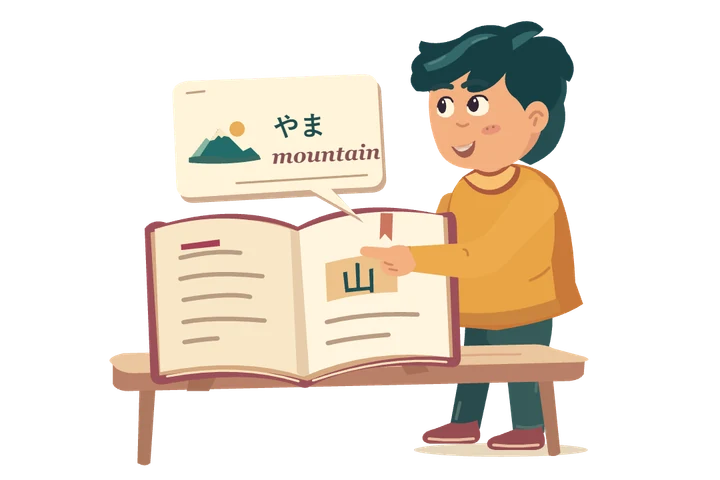
A small word meaning.
A measurable difference.
Mean target words learned (%)
+18.7percentage points
with glossed reading
studies in a recent
extensive-reading review
learners in the review
of vocabulary glosses
learners in the review
of spaced practice
How a reading study works.
Follow an illustrated example of how researchers test whether word meanings help learners remember vocabulary.
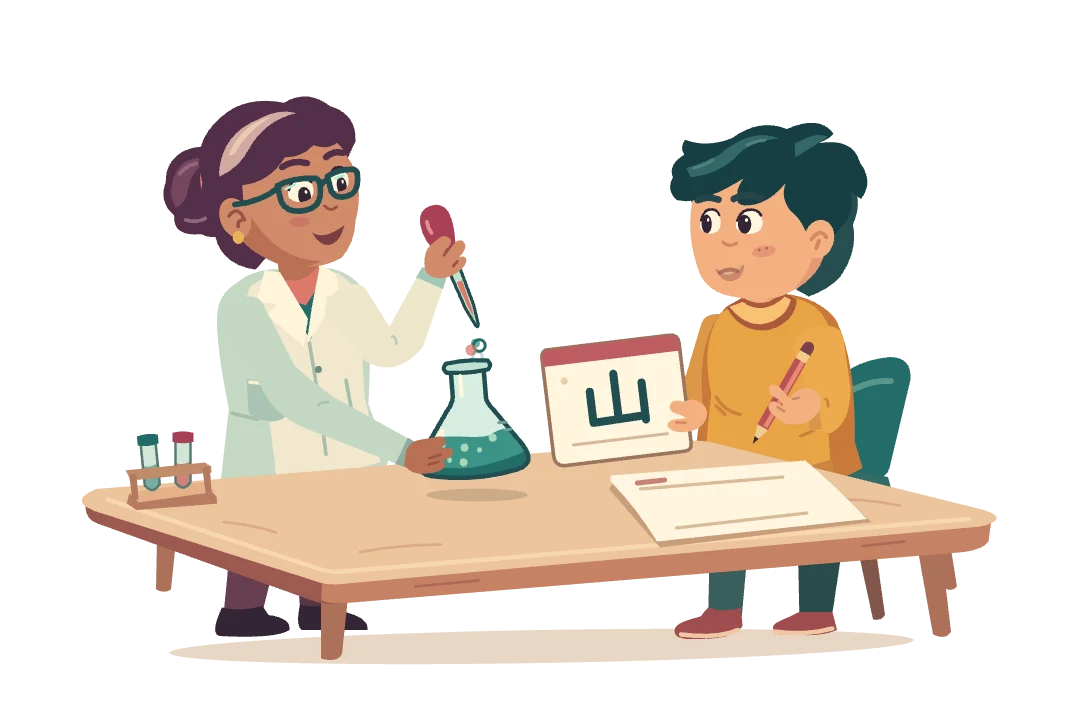
Researchers prepare two versions of a passage and add short word meanings to one version.
01 / Start with the evidence
Reading does real work.
Across more than one skill.
A 2025 meta-analysis found positive short-term effects across seven outcome areas. The scale below shows the size and uncertainty of each estimate.
Extensive reading versus comparison instruction
Sangers et al. · 2025Reading comprehension52 comparisons
0.31Vocabulary31 comparisons
0.50Decoding & fluency23 comparisons
0.38Motivation17 comparisons
0.34Writing14 comparisons
0.31Oral proficiency11 comparisons
0.42General proficiency9 comparisons
0.53Inspect the plotted numbers
| Outcome | Estimate | 95% CI | Comparisons |
|---|---|---|---|
| Reading comprehension | 0.31 | 0.16 to 0.47 | 52 |
| Vocabulary | 0.50 | 0.24 to 0.77 | 31 |
| Decoding & fluency | 0.38 | 0.1 to 0.66 | 23 |
| Motivation | 0.34 | 0.004 to 0.68 | 17 |
| Writing | 0.31 | 0.07 to 0.56 | 14 |
| Oral proficiency | 0.42 | 0.21 to 0.64 | 11 |
| General proficiency | 0.53 | 0.22 to 0.84 | 9 |
Keep Japanese stories at the center. Offer level choices so you can find a readable starting point, and put word meanings within reach when a sentence gets in the way.
02 / Make it available later
The moment you try
to remember matters.
In a vocabulary experiment, students learned 40 Swahili–English pairs. After their first successful recall, researchers varied whether they kept studying, kept retrieving, or stopped both.
One week later, the groups that kept retrieving recalled about 80% of the pairs. The other groups recalled 36% and 33%.
R55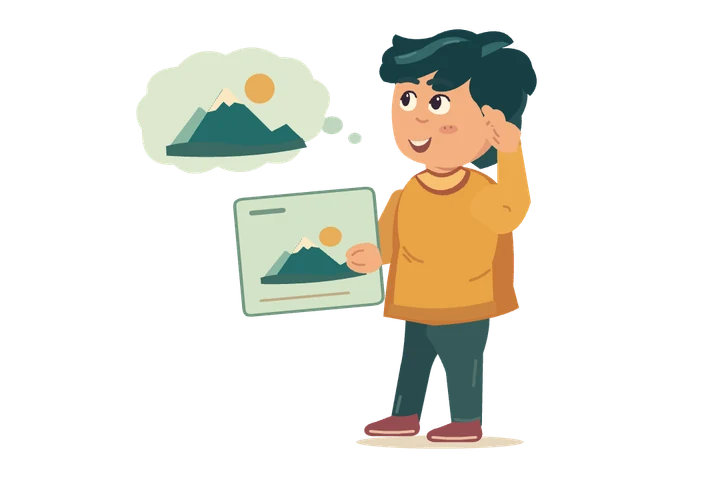
Let you save a word from a story, then come back and try to recall it. In review, give yourself a moment before checking the choices or revealing the answer.
What survived the week?
Word pairs recalled (%)
The timing gets attention, too
An encounter.
A gap.
Another chance.
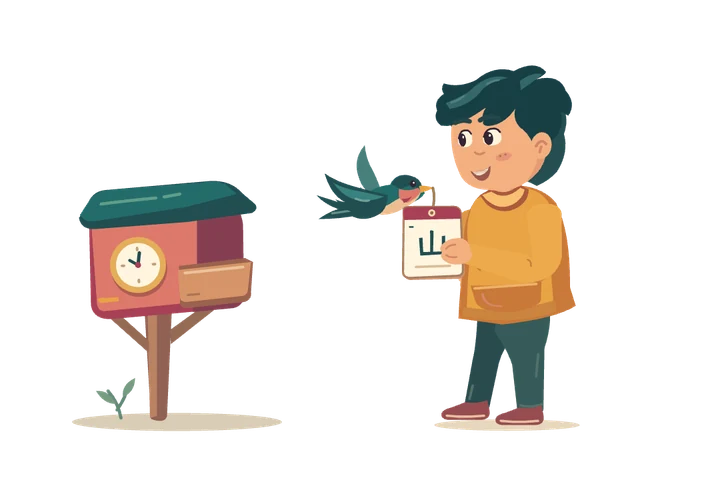
Spaced practice has support across 48 experiments involving 3,411 learners. A separate review found a positive relationship between repeated encounters and vocabulary learning across 26 studies and 1,918 learners.
So we give saved words a way back into your day. Review intervals respond to your answers: forgetting a word brings it back sooner; successful recall gives it more room.
R06 R05These are settings in ReadNihongo’s current review scheduler. The research supports spacing; it does not establish these exact intervals as optimal.
03 / The small decisions count
Yes, we read
the null results, too.
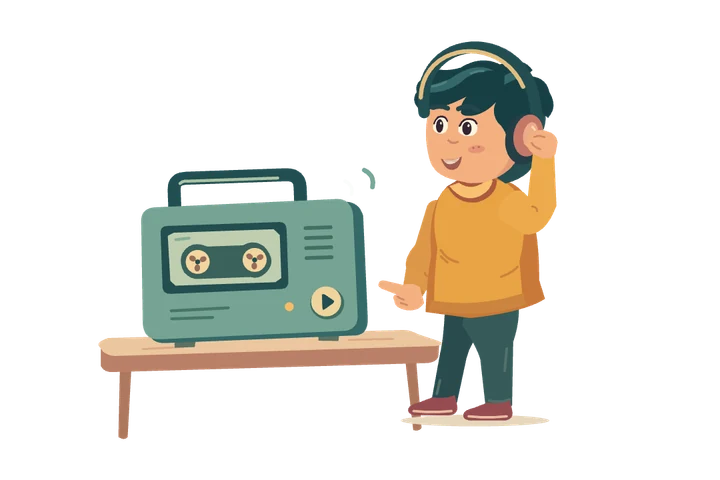
A review of 30 studies found that the comprehension benefit of reading with audio depended on pacing. In the self-paced subgroup, the confidence interval crossed zero.
Adding audio: the pacing detail
Clinton-Lisell · 2023Experimenter-paced
0.41Self-paced
0.06Inspect the plotted numbers
| Outcome | Estimate | 95% CI |
|---|---|---|
| Experimenter-paced | 0.41 | 0.13 to 0.7 |
| Self-paced | 0.06 | -0.07 to 0.19 |
Useful tools.
With a reason to exist.
Audio, when you want it.
Hear a Japanese sentence, replay a sound, or read at your own pace. You choose when listening helps.
Furigana, when you need it.
Get a pronunciation cue, then try the passage without it when you are ready. The goal is growing independence.
English, within reach.
Resolve the meaning, then return to the Japanese. Keep the story moving.
And yes, Japanese is its own problem
Kana. Kanji. Context.
The details change.
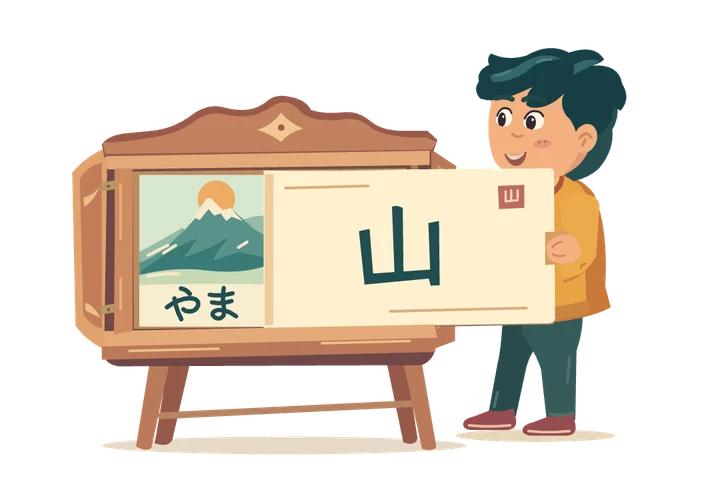
We also look at research on Japanese readers themselves. Mohar’s beginner study followed 13 learners over 18 weeks and 190 texts, exploring which materials and reading targets were workable. Other Japanese studies examine graded texts, script support, and transfer to new passages.
That is why level choice, optional furigana, sentence audio, and accessible meanings all have a place here. A result from English learning can inform a principle; Japanese learners still deserve Japanese-specific attention.
R28 R30 R33 R36The question behind the features
Will this help
your Japanese travel?
From this story to the next one. From a supported sentence to something you can follow on your own.
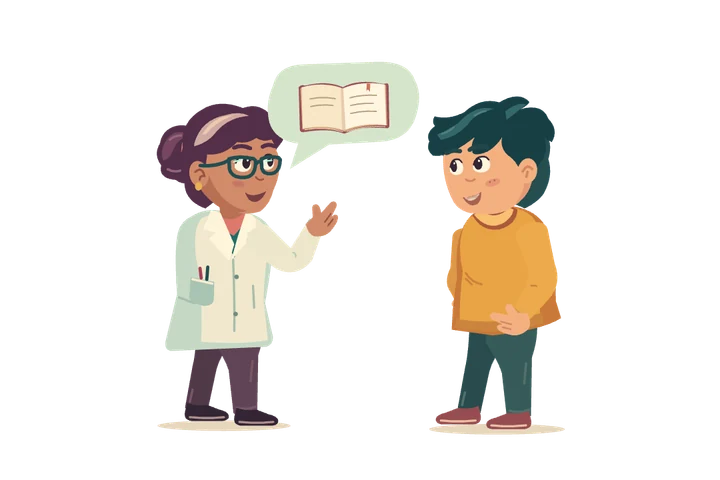
What are you optimizing for?
Japanese you can follow today, remember later, and recognize in an unfamiliar passage. That means balancing reading flow, useful assistance, and later recall. The figures on this page are published study findings that inform those choices. Evaluating the complete ReadNihongo experience requires its own learner studies.
Does reading take care of speaking and listening, too?
What about furigana and English translations?
They help you reach Japanese you might otherwise abandon. Furigana supplies a pronunciation cue; English can resolve a meaning. Use the help, then try returning to the Japanese with less of it. We keep these supports optional because the useful amount changes with the reader and the passage.
R19 R41 R4204 / For our fellow footnote readers
Of course
we brought the sources.
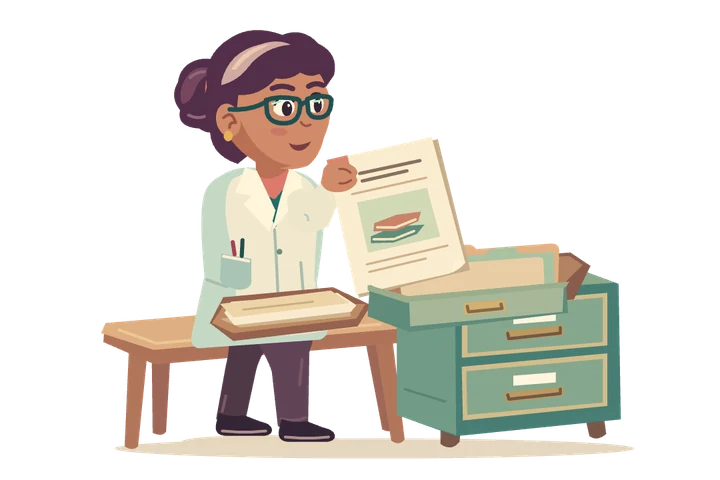
All 80 references, grouped so you can follow a question deeper. The highlighted chart values were checked against the original papers. The wider reading list includes reviews, experiments, theory, theses, and official resources.
Research informs the design; the charts report study outcomes rather than ReadNihongo user results. Evidence varies by language, learner, comparison, and test. Reading notes updated .
Extensive reading and language development12 references
- R01
- R02
- R03
- R58
- R59
- R60
- R61
- R62
- R75
- R77
- R78
- R80
Vocabulary, repetition, and context16 references
- R04
- R05
- R13
- R14
- R15
- R16
- R17
- R18
- R43
- R52
- R57
- R69
- R72
- R73
- R74
- R76
Spacing, retrieval, and memory6 references
- R06
- R53
- R54
- R55
- R56
- R70
Glosses, translations, and text difficulty13 references
- R07
- R08
- R09
- R10
- R11
- R12
- R19
- R20
- R21
- R22
- R23
- R24
- R71
Audio and reading fluency8 references
- R25
- R26
- R27
- R28
- R29
- R37
- R47
- R79
Japanese reading, kanji, and learner differences19 references
- R30
- R31
- R32
- R33
- R34
- R35
- R36
- R38
- R39
- R40
- R41
- R42
- R44
- R45
- R46
- R48
- R63
- R64
- R65
Grammar and attention3 references
- R49
- R50
- R51
Reading on screens and on paper3 references
- R66
- R67
- R68
Found a paper we should read, or a claim worth revisiting? Send it our way. Our editorial standards.
That is the thinking. Here is the fun part.
Find a story.
Let the Japanese begin.
Something interesting to read. Help when you need it. A reason to come back.
Start reading